Visualizing Interfacial Phenomena

Research Focuses

Surface and interfacial properties govern how biological and engineered materials interact with their surroundings and shape countless processes in everyday life. The PIM Research Group combines advanced microscopy with micromechanical characterization techniques to develop novel methods that provide critical visual insights into the interactions of soft materials with their environment.

 

Illuminating Interfacial Mechanics


Adhesion of Soft Materials


Mechanical Behavior of Plant Tissues


Illuminating Interfacial Mechanics

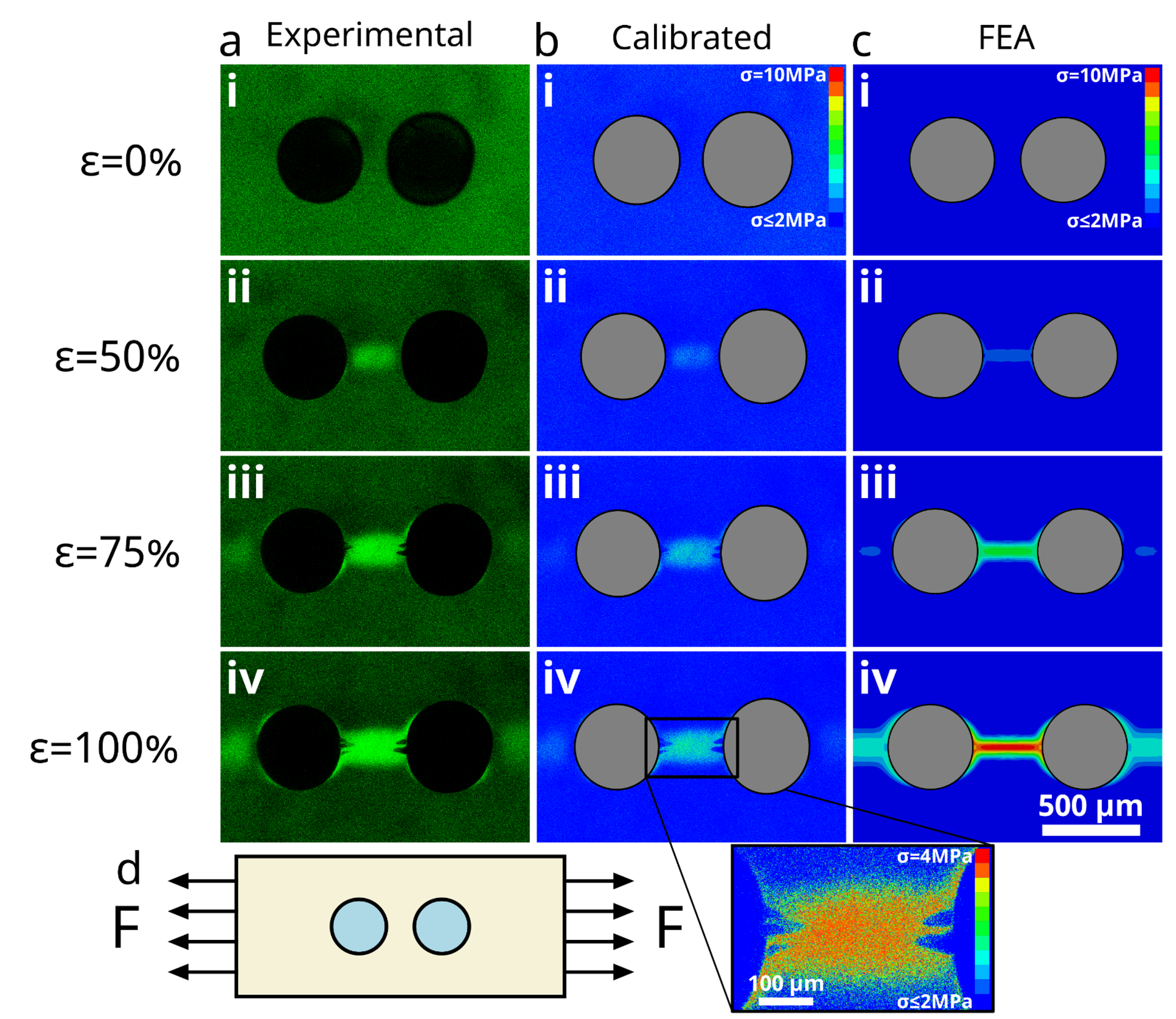
We use mechano-responsive molecules, known as mechanophores (MPs), to monitor deformation and fracture in polymer networks. These molecules undergo a color change and become fluorescent in response to mechanical force, enabling direct visualization of strain.

By coupling mechanical testing with microscopy, we gain new insights into how polymers deform and fail. This approach allows us to visualize mechanophore activation in a composite matrix during loading, revealing the evolution of strain localization and damage.


Adhesion of Soft Materials

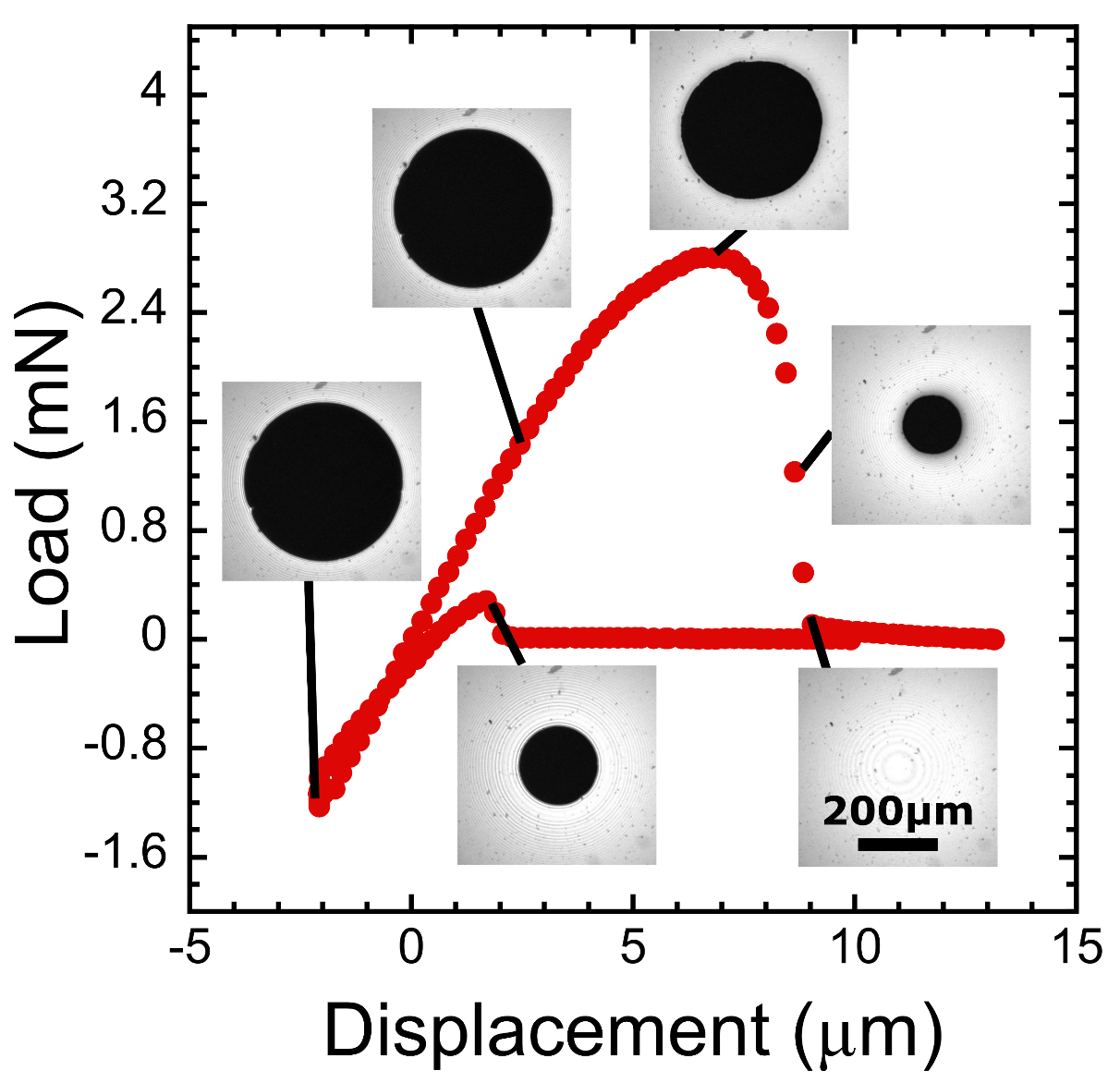
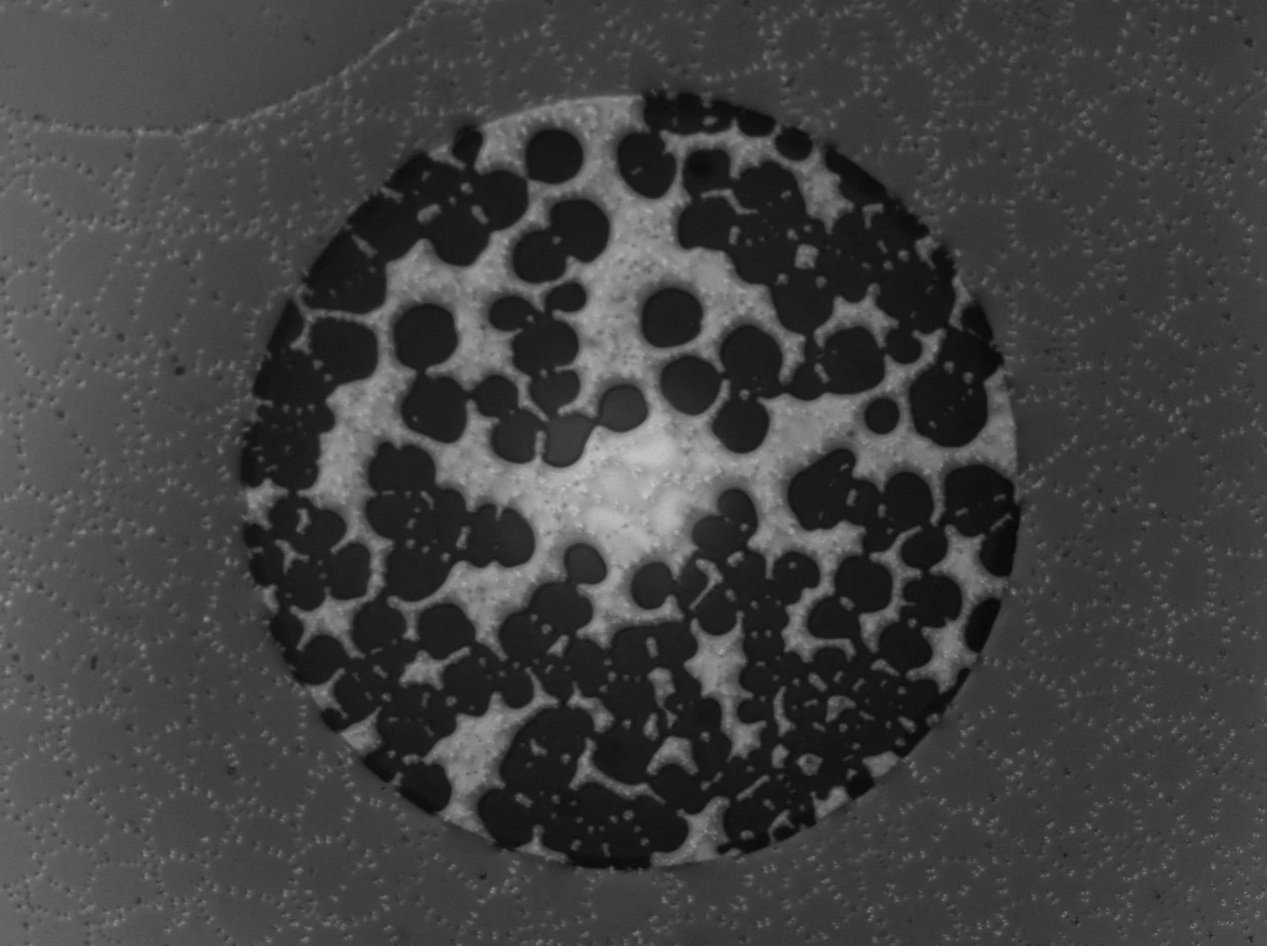
We use an inverted microscope to observe the contact between a rigid probe and an adhesive material. By tracking the contact radius of a spherical probe indenting a flat substrate under controlled normal force and displacement, we quantitatively characterize adhesion.


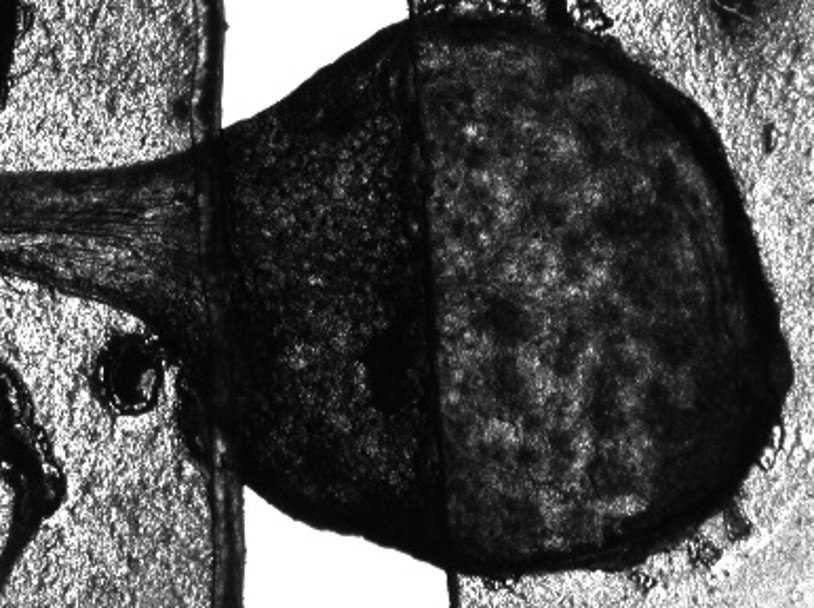
Mechanical Behavior of Plant Tissues

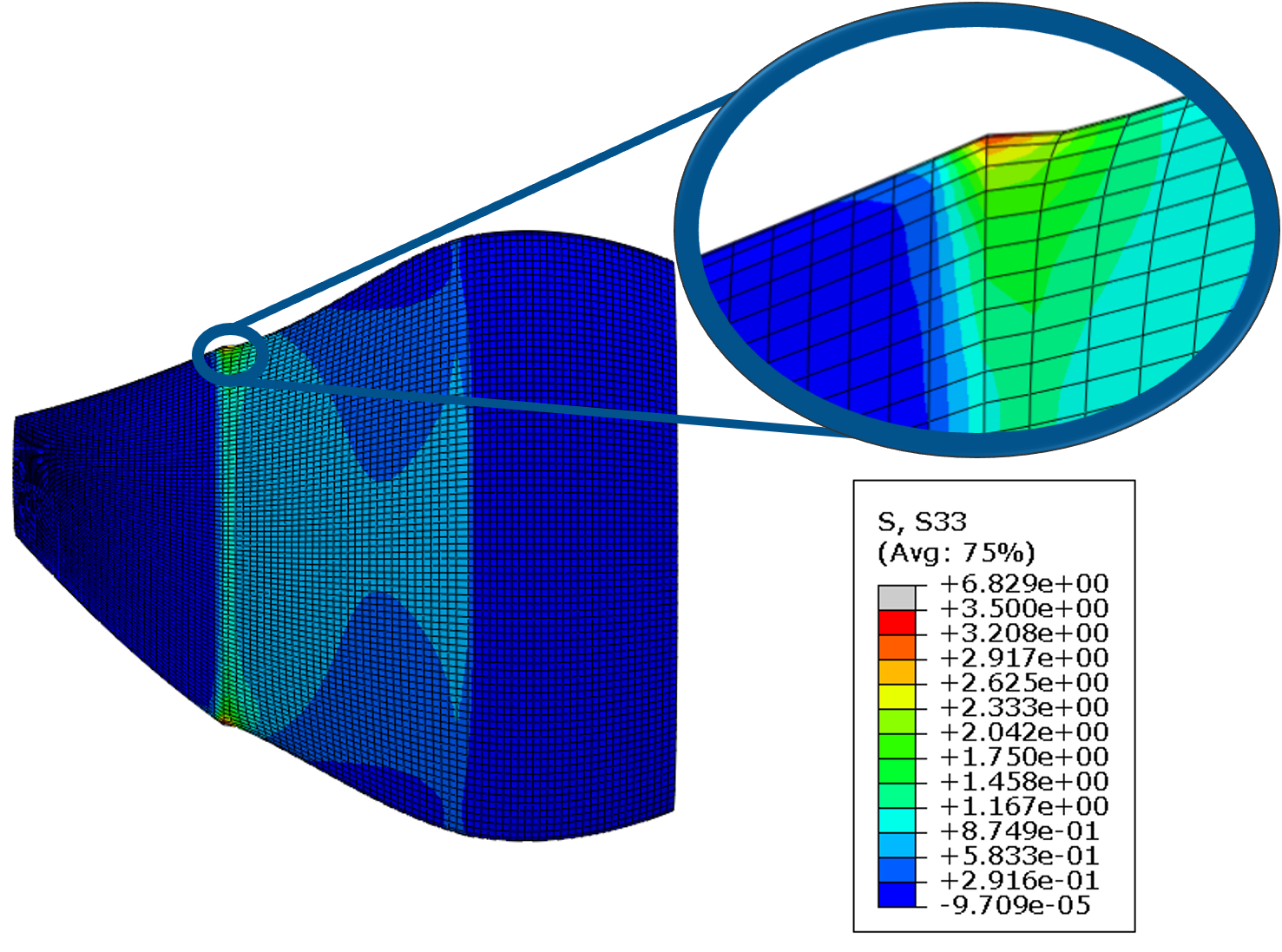
The growth of plant materials relies on the mechanical behavior across different length scales. We have developed a methodology to determine the macroscopic material properties of living tissues by combining in situ mechanical testing with finite element analysis.